In today’s architecture and interior design landscape, innovation is no longer limited to aesthetics—it extends to functionality, efficiency, and user experience. One of the most groundbreaking advancements shaping modern spaces is switchable transparent glass, a smart solution that redefines how we interact with glass surfaces. This technology allows users to instantly control transparency, offering both privacy and openness within the same space.
As the demand for smart, adaptive environments continues to grow, brands like Glasstronn are leading the way by delivering advanced glass solutions tailored for modern needs. From residential homes to commercial buildings, the ability to transform glass from transparent to opaque with a single touch has become a highly sought-after feature. Glasstronn integrates cutting-edge technology with design excellence, helping businesses and homeowners achieve a seamless blend of style and functionality.
The increasing adoption of smart technologies in buildings has made switchable glass more than just a luxury—it is becoming a necessity. It supports energy efficiency, enhances privacy, and contributes to contemporary design trends. Whether used in offices, hotels, or homes, this innovative glass solution is reshaping the future of interiors.
What is Switchable Transparent Glass?
Switchable transparent glass, often referred to as smart glass, is a technologically advanced glazing solution that can change its appearance from clear to opaque instantly. This transformation is achieved through specialized materials embedded within the glass, enabling users to control visibility as needed.
Unlike traditional glass, which offers a fixed level of transparency, switchable glass adapts to different requirements. It provides privacy when needed and openness when desired, making it a versatile choice for various environments.
There are different types of technologies used in switchable glass, with the most common being PDLC (Polymer Dispersed Liquid Crystal). This technology enables the glass to switch states when an electrical current is applied, creating a dynamic and responsive surface.
How Does Switchable Transparent Glass Work?
The functionality of switchable transparent glass is based on advanced material science and electrical control systems. At its core, the glass contains a layer of liquid crystal molecules dispersed within a polymer matrix.
When the power is turned off, these molecules are randomly arranged, causing light to scatter and making the glass appear opaque. When an electric current is applied, the molecules align in a uniform direction, allowing light to pass through and making the glass transparent.
This transition happens almost instantly, providing users with immediate control over privacy and visibility. The system can be operated through wall switches, remote controls, or integrated smart automation systems, making it highly convenient and user-friendly.
Key Benefits of Switchable Transparent Glass
Enhanced Privacy on Demand
One of the most significant advantages of switchable glass is its ability to provide instant privacy. With a simple switch, the glass can transition from transparent to opaque, eliminating the need for curtains, blinds, or partitions. This is particularly beneficial in offices, meeting rooms, and residential spaces where privacy is essential.
Modern Aesthetic Appeal
Switchable glass contributes to a sleek and contemporary look, aligning perfectly with modern architectural trends. It allows designers to maintain clean lines and open spaces while still offering functional privacy solutions. The absence of bulky window treatments enhances the overall visual appeal of interiors.
Energy Efficiency and Sustainability
Smart glass plays a crucial role in improving energy efficiency. By controlling light and heat transmission, it helps regulate indoor temperatures, reducing the need for artificial cooling and heating. This contributes to lower energy consumption and supports sustainable building practices.
UV Protection and Interior Preservation
Switchable glass can block harmful ultraviolet rays, protecting furniture, flooring, and interior elements from fading. This extends the lifespan of interior materials and reduces maintenance costs over time.
Space Optimization and Multi-Functionality
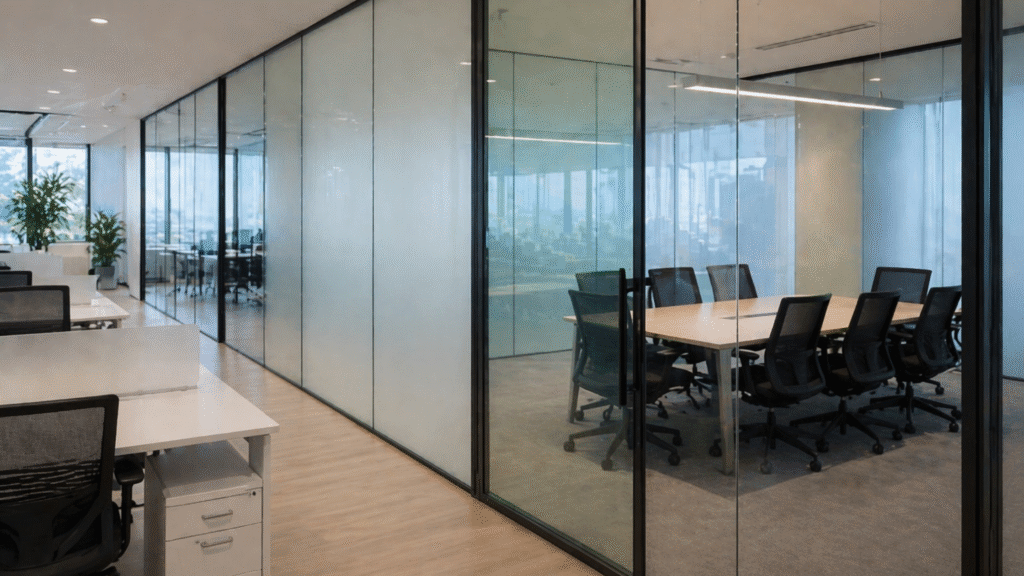
In modern spaces where flexibility is key, switchable glass allows areas to serve multiple purposes. For example, a conference room can remain open and transparent during collaborative sessions and instantly become private when needed. This adaptability maximizes space utilization.
Improved Hygiene and Maintenance
Unlike traditional curtains or blinds that collect dust and require regular cleaning, switchable glass offers a cleaner and more hygienic alternative. Its smooth surface is easy to maintain, making it ideal for environments such as hospitals and laboratories.
Modern Applications of Switchable Transparent Glass
Residential Spaces
In homes, switchable glass is used in bedrooms, bathrooms, and living areas to provide privacy without compromising on natural light. It enhances the overall ambiance while adding a touch of sophistication.
Corporate Offices
Offices benefit greatly from switchable glass in meeting rooms, cabins, and partitions. It creates a professional and modern environment while allowing flexibility in space usage. The ability to control transparency also improves confidentiality during meetings.
Healthcare Facilities
Hospitals and clinics use switchable glass in patient rooms and operating areas to maintain privacy and hygiene. It eliminates the need for fabric curtains, reducing the risk of contamination.
Hospitality Industry
Hotels and luxury resorts incorporate switchable glass to enhance guest experiences. It adds a premium feel to rooms and allows guests to control their level of privacy effortlessly.
Retail and Commercial Spaces
In retail environments, switchable glass can be used for storefronts and display areas. It creates interactive and dynamic spaces that attract customers and improve brand perception.
Switchable Transparent Glass vs Traditional Solutions
When compared to traditional privacy solutions such as curtains, blinds, and frosted glass, switchable glass offers superior flexibility and functionality. Traditional options are static and often require manual operation, while switchable glass provides instant control with minimal effort.
Additionally, it enhances the overall design by eliminating the need for additional elements that may disrupt the visual flow of a space. It also reduces long-term maintenance costs and improves durability.
Factors to Consider Before Choosing Switchable Transparent Glass
Choosing the right switchable glass involves evaluating several important factors. The type of technology used, such as PDLC or electrochromic, will determine the performance and application suitability.
Installation requirements should also be considered, as proper integration is essential for optimal functionality. Budget plays a role in selecting the right solution, but it is important to focus on long-term value rather than just initial cost.
Durability and maintenance requirements should be assessed to ensure the glass meets the demands of the intended environment. Customization options, such as size and shape, also contribute to achieving the desired design outcome.
Future Trends in Smart Glass Technology
The future of switchable glass is closely linked to the growth of smart buildings and sustainable architecture. As technology continues to evolve, we can expect more advanced features, including integration with IoT systems and automation platforms.
One of the most significant trends is the increasing focus on sustainability. Smart glass solutions are playing a key role in reducing energy consumption and promoting eco-friendly building practices. You can explore more about this in Switchable Glass for Sustainable Buildings: Green Trends, which highlights how this technology contributes to environmentally responsible design.
Advancements in materials and manufacturing processes will also lead to improved performance, greater durability, and enhanced visual quality, making switchable glass even more accessible and effective.
FAQs
1. What is switchable transparent glass?
It is a smart glass technology that can change from transparent to opaque using an electrical current, providing instant privacy and control.
2. Is switchable glass energy-efficient?
Yes, it helps regulate indoor temperatures and reduces energy consumption by controlling light and heat.
3. How long does switchable glass last?
With proper installation and maintenance, it can last for many years while maintaining its performance.
4. Can switchable glass be used in homes?
Yes, it is widely used in residential spaces for privacy, design enhancement, and smart home integration.
5. Is it easy to maintain?
Yes, it requires minimal maintenance compared to traditional solutions like curtains or blinds.
Conclusion
Switchable transparent glass is transforming the way we design and experience spaces. By combining advanced technology with practical functionality, it offers a solution that meets the demands of modern living and working environments.
From enhancing privacy and aesthetics to improving energy efficiency and sustainability, the benefits of switchable glass are extensive. Its versatility makes it suitable for a wide range of applications, from residential homes to commercial buildings.
With innovative solutions from Glasstronn, businesses and homeowners can embrace this technology with confidence. Glasstronn ensures high-quality products, expert guidance, and seamless integration, helping you create spaces that are both functional and visually stunning.
Looking to upgrade your space with smart glass solutions? Enquire Glasstronn offers expert consultation and tailored solutions to meet your unique requirements. From concept to installation, every detail is handled with precision and innovation.