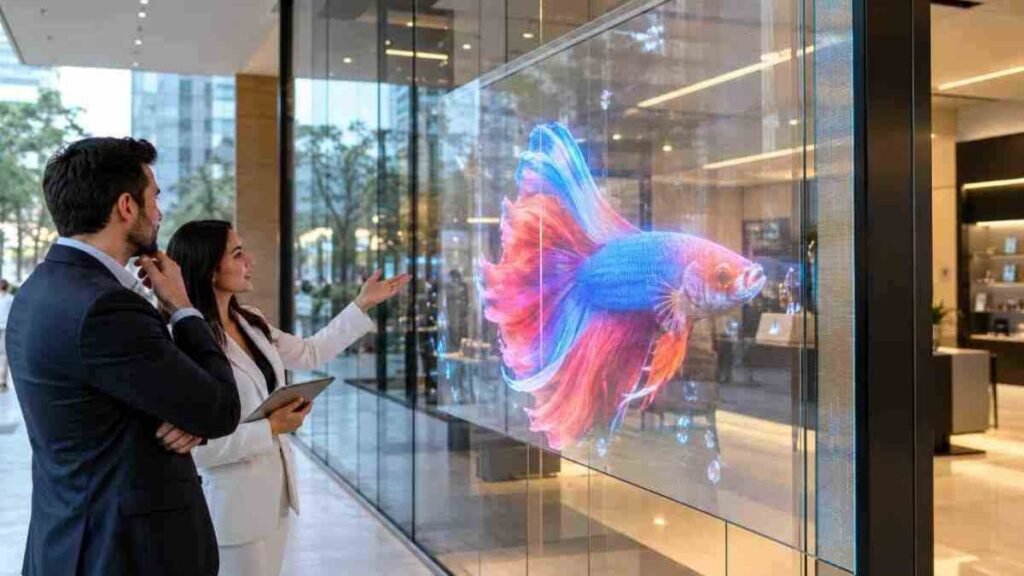
A retail head walks into a mall in Pune, sees glowing graphics running across a shopfront while the merchandise behind stays visible, and wants the same thing across twelve stores by the next festive season. Reasonable ambition. The trouble starts three weeks later, when the site survey shows toughened glass with a decorative frit, no spare power circuit, and a landlord who wants drawings before anything touches the façade. Glasstronn helps businesses assess these practical requirements before installation, while Glasstronn focuses on matching transparent LED solutions to the actual site conditions.
A transparent LED adhesive screen India project lives or dies on those unglamorous details. The display itself is only one part of the installation. What follows is the checklist worth running before you sign anything.
Where a Transparent LED Screen Actually Works in Indian Buildings
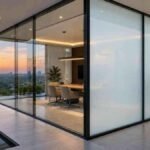
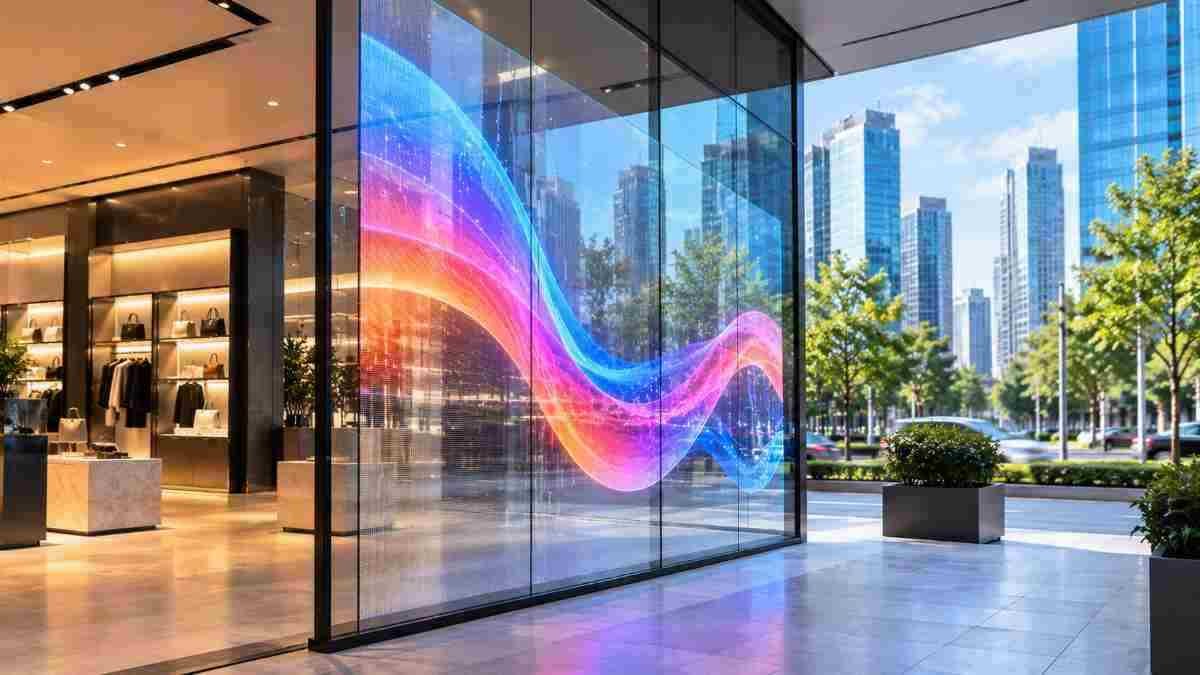
The best results come from large, flat, interior-face glazing with an audience standing several metres back. Mall shopfronts, showroom windows, airport retail, bank frontages and hotel lobbies all fit. A transparent LED screen preserves daylight and sightlines, which is why architects may accept it where they would reject a conventional black LED cabinet.
It works less well on small windows. Below roughly two square metres, you lose some of the visual impact that justifies the spend, while the fixed costs of controller, power and commissioning barely move.
Heavily divided glazing with thick mullions is another poor candidate because the content ends up chopped into strips. Curved façades need transparent LED film and a supplier willing to confirm the minimum bend radius in writing.
What a Transparent LED Adhesive Screen India Project Really Involves
The Site Survey
Someone competent has to measure the glass, confirm its thickness and type, check for existing film, and identify where the drivers will be installed. Roller-wave distortion in toughened glass, or any pane with edge chips, can change the installation plan.
Ask for the survey findings in writing before accepting a quotation.
Glass Condition and Access
Old glazing can collect hard-water staining and adhesive residue from previous vinyl installations. Both must be removed properly or an adhesive LED solution may fail to bond correctly at the edges.
Access matters too. If the panel sits four metres up, you may be paying for scaffolding or a scissor lift and potentially working after mall hours. These costs should be included in the installation plan from the beginning.
Landlord and Building Approvals
Mall management usually controls what appears on a shopfront, and many properties require drawings, brightness limits and defined switch-off times. Municipal signage rules can also apply to displays visible from the street.
Build two to four weeks into the programme rather than discovering approval requirements late in the project.
Specifying Pitch, Transparency and Brightness for Indian Conditions
Daylight can be unforgiving. A transparent LED adhesive screen India suppliers demonstrate brilliantly at 300 lux can become difficult to see behind west-facing glass at 3pm in May. Specify the display from the worst expected lighting condition rather than from a showroom demonstration.
| Setting | Suggested Brightness | Typical Pitch | Transparency to Aim For |
| Interior atrium or lobby | 2,500–3,500 nits | 3.9–7.8 mm | 60–70% |
| Mall shopfront, indirect light | 3,500–4,500 nits | 7.8–10 mm | 65–75% |
| Street-facing glass, direct sun | 5,000 nits and above | 10–16 mm | 70–85% |
Two things buyers regularly get wrong are chasing the finest pitch available when shoppers stand eight metres away and accepting a brightness figure measured on bare modules rather than through their actual tinted glazing.
Power Quality, Heat and the Monsoon
Indian sites can introduce electrical and environmental conditions that need to be considered during specification. Voltage fluctuation on a shared retail feed can contribute to driver problems and flicker, so a stabilised dedicated circuit is worth considering.
Coastal humidity in Chennai, Kochi or Mumbai can affect electronics, connectors and adhesive edges. Edge sealing and installation quality therefore become particularly important in humid environments.
Heat is another consideration. Drivers installed inside an unventilated false ceiling in Delhi during June can operate considerably hotter than intended. Plan for:
- A ventilated or lightly cooled enclosure for controllers and power supplies.
- Surge protection on the incoming supply, particularly in areas with frequent outages.
- A cleaning regime because fine dust on the interior glass face can reduce perceived brightness over time.
Transparent LED Adhesive Screen India Costs and What Drives Them
Indicative supply pricing for a transparent LED adhesive screen India installation sits somewhere between ₹25,000 and ₹70,000 per square metre, and the spread is wide for good reason. Pitch, brightness, transparency, driver quality and the control system all influence the figure.
Installation, electrical work, content production and any maintenance contract may sit outside the supply price.
Costs that get forgotten in first budgets include:
- Electrical work, including a dedicated stabilised circuit and containment.
- Access equipment and out-of-hours labour, common in malls.
- Media player, content-management licence and network provisioning.
- Content design, which is not the same as reusing a print creative.
- Spare components, if downtime at a flagship store is unacceptable.
Treat any price quoted before a site visit as a starting point. The final requirement can change once the installer has inspected the glass, access conditions and electrical infrastructure.
Choosing a Supplier: Service, Spares and Warranty
Hardware quality between reputable manufacturers can be closer than sales presentations suggest. What separates one transparent LED adhesive screen India installation from another is often the service structure.
A low-cost LED adhesive display with limited local support can become expensive when a component fails during a major sale weekend or campaign.
Questions Worth Asking
Ask:
- How many similar installations has the team commissioned in your city?
- Who attends a fault call?
- What is the expected response time?
- Are spare components from your production batch held locally?
- What does the warranty exclude?
- Who handles removal, access equipment and installation labour?
Labour, access equipment and consequential loss are common areas that may fall outside warranties. Understanding these exclusions before purchase helps avoid unexpected service costs.
Retrofit Adhesive LED Screen Versus Laminated Panel
A retrofit adhesive LED screen bonds to glass you already own, which suits existing stores and shorter fit-out windows.
A factory-laminated panel is sealed between two panes and can provide better protection for the electronics. It makes more sense when the glazing is being replaced anyway.
Retrofit installation can be faster and less disruptive upfront, while laminated construction may be considered where the glazing itself is part of a new build or replacement project.
Content, Operations and Who Runs It Day to Day
The most common disappointment with a transparent LED adhesive screen India rollout isn’t necessarily hardware failure. It can be the same fifteen-second loop still playing in March that went up in November.
Transparent displays look sparse by nature, so content needs bold shapes, high contrast, generous negative space and very little small text. Photographic detail may not reproduce effectively at larger pitches.
Decide early who owns the schedule, how often creative is refreshed, and what happens when the shop’s internet drops.
Storefront teams also need a documented switch-off time. A bright transparent LED film running at 2am can disturb nearby residents while unnecessarily increasing operating hours.
Ask for a content template sized to the exact panel resolution because artwork scaled directly from a print file can lose clarity.
Why Choose Glasstronn for Transparent LED Solutions?
A transparent LED installation requires more than selecting a display based on price or visual appearance. Glass condition, transparency, pixel pitch, ambient light, power infrastructure, mounting position, content and service access all influence the final result.
Glasstronn can help businesses evaluate these factors before installation and select a transparent LED solution based on the project’s actual environment. This approach helps align the display specification with the building, viewing conditions and intended content rather than relying only on showroom performance.
Frequently Asked Questions
How much does a transparent LED adhesive screen India installation cost?
Supply alone typically falls in an indicative ₹25,000 to ₹70,000 per square metre band, driven by pixel pitch, brightness and the control system. Installation, electrical work, access equipment and content sit on top. A proper site survey is the only way to turn that range into a meaningful project estimate.
Will it survive the monsoon and coastal humidity?
Interior-face installations can perform well when edge sealing is properly handled and drivers remain ventilated. Problems can occur where humidity reaches poorly sealed edges or condensation forms on cold glass. Coastal sites should ask about corrosion protection for strips and connectors.
Can it be removed later without damaging the glass?
Usually, removal can be carried out by a trained installer. The adhesive LED screen should be carefully warmed, peeled gradually and cleaned using a suitable solvent. Rushing the process can risk scratching coated or low-E surfaces. Agree on removal responsibility in advance if the premises are leased.
Does it interfere with air conditioning or heat gain?
Marginally. The display can add some shading and generate a modest amount of heat, although the effect depends on the installation and glazing. If a building is already close to its cooling-load limits, the display area should be discussed with the services consultant.
Conclusion
Getting a transparent LED adhesive screen India rollout right is mostly about sequence. Survey the glass before specifying hardware, size brightness for the worst expected light hour rather than a showroom demo, secure a clean dedicated power supply, and settle landlord approvals early enough that they do not stall commissioning.
Then decide who owns the content, because an unmaintained display can quickly lose its marketing value. Buy based on service response and spare-part availability as well as module price, and be honest about whether the window actually needs to remain transparent.
If you’re weighing up your options, walking an experienced installer through your site and content plans is the fastest way to get answers matched to your situation. Glasstronn can help evaluate the installation requirements, while Glasstronn provides a starting point for discussing a suitable transparent LED configuration.
Ready to Plan Your Transparent LED Installation?
Request a Site Consultation to discuss your glass type, viewing conditions, brightness requirements, power infrastructure and installation environment before finalising your display.