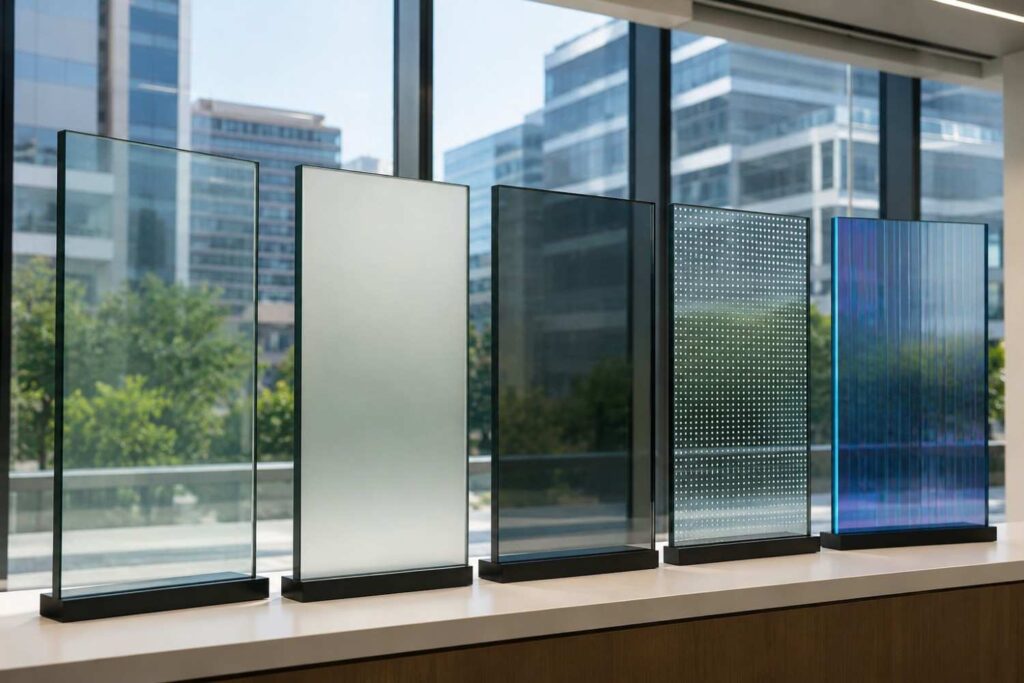
Modern buildings are becoming smarter, more energy-efficient, and visually attractive than ever before. One of the biggest innovations helping this transformation is smart glass technology. Today, architects, interior designers, builders, and property owners are using advanced glass systems to create stylish and functional spaces. Companies like Glasstronn are introducing modern smart glass solutions for homes, offices, hospitals, hotels, and commercial buildings while also helping people understand why is glass with LED inside becoming popular in modern architecture and retail design.
Smart glass is a special type of glass that changes its appearance or functionality using electricity, light, or temperature. Unlike traditional glass, smart glass can provide instant privacy, reduce glare, improve energy efficiency, and even display digital visuals in some applications. As cities continue to grow and modern construction trends evolve, smart glass is becoming an important part of futuristic buildings.
Another major reason for the growing demand for smart glass is its ability to combine technology with design. Modern buildings now focus on open spaces, luxury interiors, sustainability, and automation. Smart glass supports all these requirements while improving both appearance and functionality. From conference rooms and office cabins to luxury bathrooms and retail showrooms, smart glass is changing the way people use glass in daily life.
There are several types of smart glass available in the market today, and each type works differently depending on the application and technology used. Understanding these different types helps builders, architects, and homeowners choose the right solution for their projects.
What is Smart Glass?
Smart glass is an advanced glass technology that can change its transparency, light control, or visual appearance based on external conditions or electrical power. It is also known as switchable glass, privacy glass, or intelligent glass.
Smart glass is commonly used for:
- Office partitions
- Conference rooms
- Luxury homes
- Hotels
- Hospitals
- Shopping malls
- Airports
- Retail stores
- Commercial buildings
The main advantage of smart glass is that it offers privacy and modern aesthetics without using curtains, blinds, or permanent frosted glass.
Why Smart Glass is Trending in Modern Buildings
Modern architecture is moving toward minimalistic and technology-driven designs. People now prefer buildings that look spacious, stylish, and energy-efficient. Smart glass perfectly fits these modern requirements.
Some reasons why smart glass is becoming popular include:
- Instant privacy control
- Better energy efficiency
- Smart automation compatibility
- Modern interior appearance
- Improved natural lighting
- Reduced glare and UV exposure
- Flexible space management
Businesses also use smart glass to create premium office environments and modern customer experiences.
Different Types of Smart Glass Used in Modern Buildings
1. PDLC Smart Glass
PDLC stands for Polymer Dispersed Liquid Crystal. This is one of the most commonly used smart glass technologies today.
How It Works
When electricity is turned on, liquid crystal particles align and make the glass transparent. When power is off, the glass turns opaque or frosted.
Applications
- Conference rooms
- Office partitions
- Luxury bathrooms
- Hospital cabins
- Residential interiors
Benefits
- Instant privacy
- Modern appearance
- Easy operation
- Noise reduction
- UV protection
PDLC smart glass is especially popular in offices and modern homes because of its sleek design and functionality.
2. Electrochromic Glass
Electrochromic glass changes its tint gradually when electrical voltage is applied.
How It Works
The glass darkens or lightens depending on the electrical current passing through it.
Applications
- Commercial buildings
- Exterior windows
- Airports
- Hotels
- Smart homes
Benefits
- Energy savings
- Better sunlight control
- Reduced glare
- Improved indoor comfort
Electrochromic glass is widely used in buildings that require controlled sunlight and temperature management.
3. SPD Smart Glass
SPD stands for Suspended Particle Device technology.
How It Works
Tiny particles suspended inside the glass align when electricity is applied, allowing light to pass through.
Applications
- Luxury cars
- Skylights
- Corporate buildings
- Modern villas
Benefits
- Fast switching speed
- Excellent light control
- Stylish appearance
- Improved comfort
SPD smart glass is often used in luxury environments because of its premium performance.
4. Thermochromic Glass
Thermochromic glass changes its appearance based on temperature.
How It Works
The glass automatically darkens when exposed to higher temperatures and becomes clearer when temperatures decrease.
Applications
- Exterior building windows
- Commercial towers
- Residential homes
Benefits
- Automatic sunlight control
- Reduced cooling costs
- Energy efficiency
- Better indoor comfort
This type of smart glass works without electricity, making it environmentally friendly.
5. Photochromic Glass
Photochromic glass reacts to sunlight and UV exposure.
How It Works
The glass darkens automatically under strong sunlight and becomes transparent indoors or during low light conditions.
Applications
- Windows
- Skylights
- Residential buildings
Benefits
- UV protection
- Reduced glare
- Natural light control
This technology is commonly used in environments where sunlight exposure changes frequently.
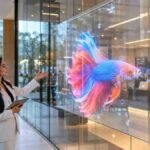
6. Transparent LED Glass
Transparent LED glass combines glass panels with LED display technology.
How It Works
LED lighting systems are integrated inside transparent glass panels to display digital visuals, advertisements, and videos.
Applications
- Shopping malls
- Retail showrooms
- Airports
- Luxury stores
- Commercial buildings
Benefits
- Modern digital advertising
- Transparent display effect
- High customer attention
- Stylish retail presentation
This technology is becoming increasingly popular in commercial spaces because it combines architecture and digital advertising into one solution.
7. Smart Film
Smart film is similar to smart glass but is installed directly onto existing glass surfaces.
How It Works
The film changes from transparent to opaque using electrical control.
Applications
- Existing office partitions
- Meeting rooms
- Bathrooms
- Commercial interiors
Benefits
- Easy retrofit installation
- Lower cost compared to full smart glass
- Instant privacy
- Modern appearance
Smart film is a popular option for renovation projects.
Benefits of Smart Glass in Modern Buildings
Improved Privacy
Smart glass allows users to control visibility instantly without using curtains or blinds.
Better Energy Efficiency
Modern smart glass technologies help reduce electricity usage by controlling sunlight and indoor temperature.
Modern Interior Design
Smart glass creates elegant and futuristic interiors suitable for homes, offices, and hotels.
Flexible Space Usage
Conference rooms and office cabins can quickly switch between open and private environments.
Reduced Maintenance
Unlike curtains and blinds, smart glass is easier to clean and maintain.
How Smart Glass Improves Energy Efficiency
Energy efficiency is one of the biggest advantages of smart glass technology. In many modern buildings, smart glass helps reduce heat by controlling excessive sunlight entering indoor spaces.
This helps:
- Lower air conditioning usage
- Improve indoor comfort
- Reduce glare
- Save electricity costs
As energy-saving construction becomes more important, smart glass is expected to become even more popular in future building designs.
Smart Glass Applications in Different Industries
Offices
Used for:
- Conference rooms
- Executive cabins
- Office partitions
Healthcare
Used in:
- ICU rooms
- Hospital partitions
- Consultation rooms
Hospitality
Installed in:
- Hotel bathrooms
- Luxury suites
- Lounge areas
Retail
Used for:
- Storefront displays
- Transparent LED advertising
- Interactive glass displays
Residential Homes
Popular for:
- Bathrooms
- Living rooms
- Balconies
- Smart home interiors
Factors to Consider Before Choosing Smart Glass
Before selecting smart glass, customers should evaluate:
- Budget
- Purpose of use
- Type of technology
- Maintenance requirements
- Installation quality
- Energy efficiency
- Warranty support
Choosing the right smart glass depends on the specific needs of the building and interior design.
Importance of Professional Installation
Professional installation plays a major role in smart glass performance and durability.
Proper installation helps:
- Prevent electrical problems
- Improve switching speed
- Increase product lifespan
- Reduce maintenance issues
Many property owners now search for thebest switchable glass company in Bangalore to ensure they receive high-quality products and professional installation services for long-term reliability.
Future of Smart Glass Technology
Smart glass technology is continuously evolving. In the future, buildings may use:
- AI-controlled smart glass
- Voice-controlled transparency systems
- Solar-powered smart glass
- Smart glass integrated with IoT systems
- Advanced digital display glass
As smart cities and intelligent buildings continue to grow, demand for smart glass solutions is expected to increase significantly.
FAQs
1. What are the different types of smart glass used in modern buildings?
Some common types of smart glass include PDLC smart glass, electrochromic glass, SPD glass, thermochromic glass, photochromic glass, transparent LED glass, and smart film.
2. Which type of smart glass is best for office spaces?
PDLC smart glass is one of the best options for offices because it provides instant privacy for conference rooms, cabins, and partitions while maintaining a modern appearance.
3. Does smart glass help save energy?
Yes, smart glass can improve energy efficiency by controlling sunlight, reducing glare, and lowering indoor heat, which may reduce air conditioning usage.
4. Can smart film be installed on existing glass?
Yes, smart film is designed for retrofit applications and can be installed directly onto existing glass surfaces without replacing the entire glass panel.
5. Where is smart glass commonly used?
Smart glass is widely used in offices, hospitals, hotels, luxury homes, shopping malls, airports, retail stores, and commercial buildings for privacy and modern design purposes.
Conclusion
Smart glass is becoming an essential part of modern architecture and interior design. Different types of smart glass technologies such as PDLC glass, electrochromic glass, SPD glass, transparent LED glass, and smart film are helping create smarter, more stylish, and energy-efficient buildings.
From luxury homes and offices to hospitals and retail stores, smart glass offers privacy, flexibility, and futuristic design benefits that traditional glass cannot provide. Companies like Glasstronn are contributing to this transformation by offering advanced smart glass solutions that combine innovation, technology, and modern aesthetics for today’s buildings. As technology continues to improve, smart glass will play an even bigger role in shaping the future of architecture and smart living spaces.